
Table of Contents
- Does 18K Gold Plating Tarnish Quickly?
- What Causes 18K Gold Plating to Tarnish
- How Long Does Gold Plating Last
- Is 18K Gold Plated Jewellery Waterproof
- How to Clean Gold Plated Jewellery
- Prevention Strategies to Slow Tarnishing
- Repair and Re-plating: When to Replace or Restore
- Conclusion
Last Updated: August 27, 2026
Does 18K Gold Plating Tarnish Quickly?
Yes, 18K gold plating does tarnish, though the speed depends on plating thickness, base metal quality, and how frequently you wear and expose the jewellery to environmental elements. At Gemini Lulu, we design 18K gold-plated jewellery with quality base metals and proper plating thickness to resist tarnishing as long as possible. With proper care, your jewellery can maintain its lustrous finish for months or even years.
What Causes 18K Gold Plating to Tarnish
18K gold plating tarnishes through chemical reactions and environmental exposure. The gold layer itself doesn't tarnish; rather, the base metal beneath it oxidises when exposed to moisture, air, and certain chemicals.
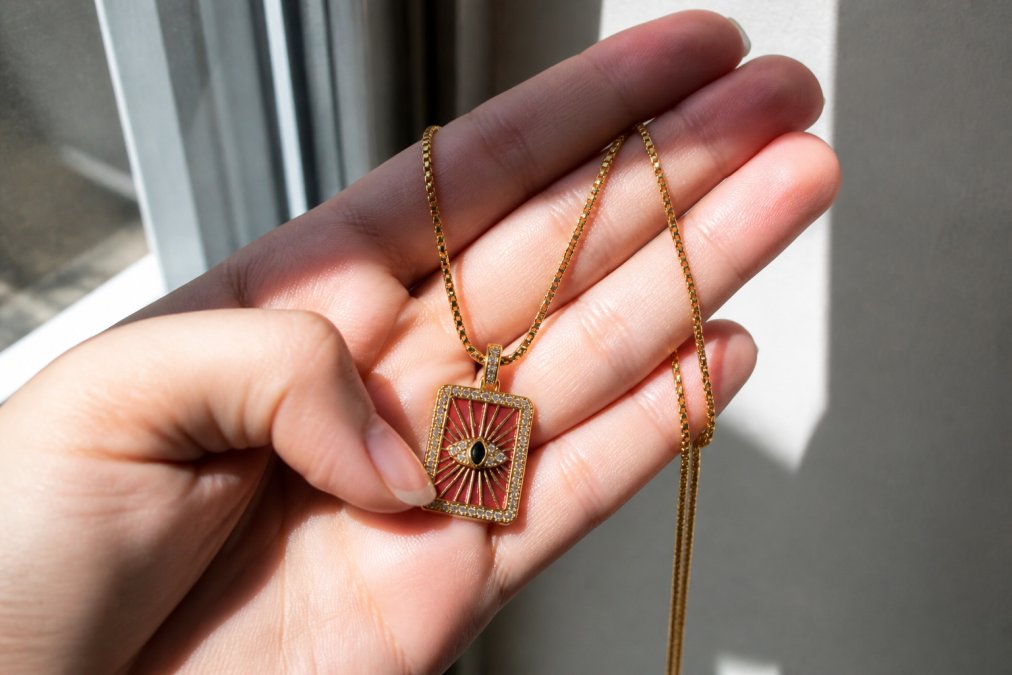
Oxidation and Chemical Reactions
Oxidation is the primary culprit. When the base metal, typically copper, brass, or nickel, contacts oxygen and moisture, a chemical reaction creates a dark or discoloured layer. This happens even when gold plating is intact, because plating is porous at the microscopic level, allowing moisture and oxygen to seep through and reach the base metal below.
Your skin's natural chemistry accelerates this process. Perspiration contains salts and acids that react with base metals, causing oxidation faster in areas where jewellery contacts your skin. Household products like lotions, perfumes, hairspray, and cleaning products also contribute to tarnishing. Chlorine from swimming pools and salt from seawater accelerate oxidation further.
The Role of Base Metals
Base metal quality determines how quickly tarnishing becomes visible. Copper oxidises relatively quickly, creating greenish or blackish patina. Brass oxidises slightly slower. Nickel oxidises rapidly and can cause skin reactions. Stainless steel resists oxidation far more effectively, making it the superior choice for gold-plated jewellery.
Plating thickness also matters significantly. Jewellery-grade gold plating typically ranges from 0.5 to 2.5 microns; luxury pieces may reach 5 microns or higher. Thicker plating delays the onset of visible tarnishing by providing more protection against moisture and oxygen penetration.
How Long Does Gold Plating Last
With proper maintenance, gold-plated jewellery can retain its appearance for 6 months to 2 years of regular wear. Heavy daily wear in humid climates or with frequent water exposure may reduce this to 3-6 months before noticeable tarnishing appears.
Plating thickness is paramount; pieces plated at 2.5 microns or thicker last significantly longer than those at 0.5 microns. Base metal quality matters equally, stainless steel bases outlast copper bases considerably. Your personal habits are equally important. Someone who removes jewellery before showering and stores it properly will see pieces last much longer than someone who wears them constantly, including during water-based activities.
Is 18K Gold Plated Jewellery Waterproof
18K gold-plated jewellery is not truly waterproof. While the gold plating itself doesn't absorb water, water accelerates oxidation of the base metal by creating an environment where moisture penetrates microscopic pores in the plating.

Occasional tap water exposure, such as washing your hands while wearing a ring, is generally safe. Prolonged water contact or repeated submersion, showering, swimming, or washing dishes, speeds up tarnishing significantly. Chlorinated pool water is particularly damaging because chlorine reacts with base metals and can damage the gold plating itself. Salt water accelerates oxidation and can cause pitting or corrosion.
The safest approach is removing gold-plated jewellery before any water-based activity. This simple habit extends your jewellery's life considerably.
How to Clean Gold Plated Jewellery
Regular cleaning removes surface oxidation that makes jewellery look dull and tarnished.
Fill a small bowl with lukewarm water and add a drop or two of gentle dish soap. Soak your jewellery for 2-3 minutes, then gently scrub with a soft-bristled toothbrush, paying attention to crevices where tarnish accumulates. Rinse thoroughly under running water and pat dry immediately with a soft, lint-free cloth. Do this every 1-2 weeks for regularly worn pieces.
For heavier tarnishing, use a jewellery polishing cloth designed for gold. Wipe gently in circular motions. Avoid commercial jewellery cleaners, baking soda, vinegar, and ultrasonic cleaners, these are too aggressive and will damage the plating.
Always dry your jewellery thoroughly before storing it. Residual moisture continues the oxidation process.
Prevention Strategies to Slow Tarnishing
The most effective way to manage tarnishing is to prevent it. Strategic storage, mindful daily habits, and protective measures extend your jewellery's life significantly.
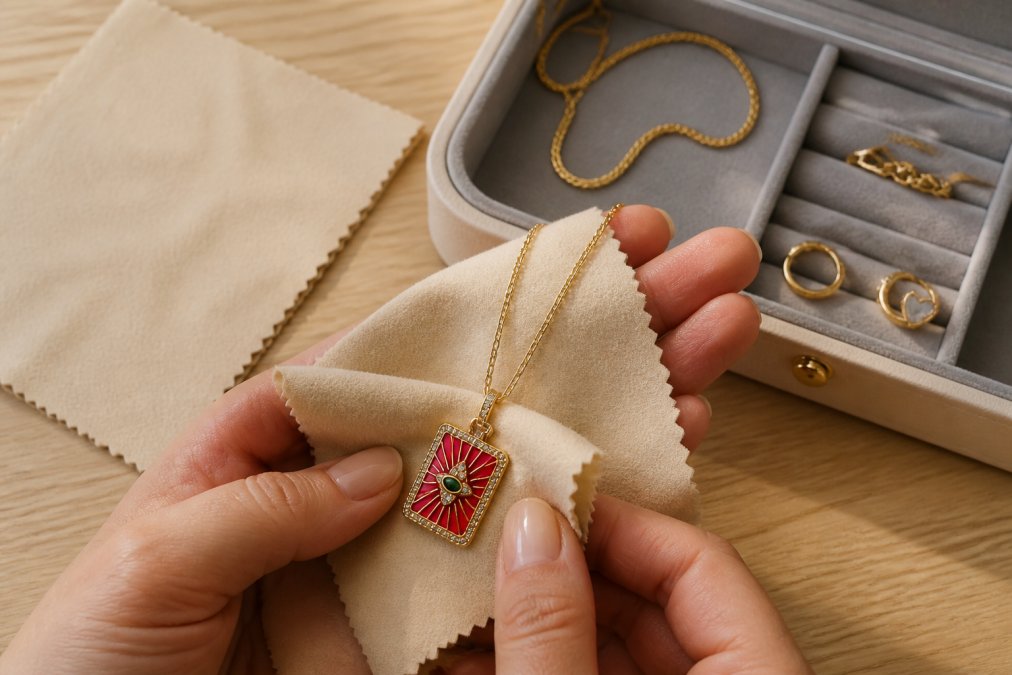
Storage Science and Best Practices
Store gold-plated jewellery in a cool, dry place away from direct sunlight and moisture. A jewellery box with velvet or felt-lined interior is ideal. Avoid bathrooms and kitchens, humidity accelerates oxidation rapidly. For long-term storage, use sealed containers with silica gel packets to absorb moisture.
Store each piece separately in small pouches or acid-free tissue paper to prevent chemical interaction and scratching. Air-tight storage containers slow oxidation significantly by limiting oxygen exposure. Maintain consistent temperature; avoid heating vents, air conditioning units, and windows where temperature fluctuates.
Daily Wear Habits That Protect Your Plating
Remove jewellery before showering, swimming, or washing dishes. This single practice can double your jewellery's lifespan. Remove pieces before applying lotions, perfumes, or hairspray, then replace them once products dry.
Minimise contact with chlorine, salt water, and harsh chemicals. Avoid wearing gold-plated jewellery during workouts, gardening, or activities involving friction or impact. Exercise causes perspiration, which accelerates oxidation. Even sleeping in jewellery causes wear through friction against pillows.
Store jewellery in a designated location to remember removing it before damaging activities.
Repair and Re-plating: When to Replace or Restore
When tarnishing becomes severe or plating begins to flake, you have two options: re-plating or replacement.
Re-plating involves sending jewellery to a professional jeweller who removes old plating and applies fresh gold. This typically costs £20-60 depending on size and complexity. Re-plating is worthwhile if the piece has sentimental value, unique design, or strong attachment. The process takes 1-2 weeks.
However, re-plating isn't always economical. If your piece cost £25-30 originally, re-plating at £30-50 doubles the cost. Replacement might make more sense, particularly if you can purchase higher-quality pieces with better plating thickness or more durable base metals.
Consider the base metal when deciding. If jewellery is plated over stainless steel or high-quality copper, re-plating makes sense. If it's plated over low-quality nickel or brass, new plating will tarnish just as quickly. In that case, investing in a new piece with superior materials is better.
When shopping for replacement jewellery, ask about plating thickness in microns, aim for 2.5 microns or higher for daily wear.
Gold-plated jewellery tarnishes because base metal oxidises when exposed to moisture and air. While inevitable over time, understanding the causes and implementing proper care habits extends your pieces' life significantly. Regular cleaning, strategic storage, and mindful daily habits, removing jewellery before water exposure and chemical contact, keep your gold-plated accessories looking lustrous for years.
Gemini Lulu's 18K gold-plated collection is crafted with quality materials and proper plating thickness to resist tarnishing longer than typical affordable jewellery. Our pieces, like the Layered Star and Moon Pendant Necklace in 18K Gold at £30.00, combine elegant design with durability. When you invest in thoughtfully designed jewellery and care for it properly, you're investing in pieces that celebrate your milestones and reflect your individual style. Start with quality pieces and the habits outlined above, and your gold-plated jewellery will maintain its beauty through countless occasions.

EXTERNAL SOURCES & FURTHER READING:
According to the British Jewellers' Association guidelines on jewellery care, proper storage in low-humidity environments significantly extends the lifespan of gold-plated pieces by reducing oxidation rates.
Research from the Gemological Institute of London on precious metal plating indicates that plating thickness of 2.5 microns or higher provides substantially better durability for daily wear jewellery than thinner applications.
The Royal Society of Chemistry's guide to metal oxidation explains the electrochemical processes behind tarnishing and confirms that moisture and oxygen are the primary drivers of base metal corrosion in plated jewellery.
Frequently Asked Questions
How long will 18K gold-plated jewellery last?
With proper care, 18K gold plating typically lasts 18 months to 3 years with regular daily wear. The lifespan depends heavily on how often you wear the piece, your skin chemistry, and how well you maintain it. Pieces worn occasionally can last significantly longer, up to 5 years or more. Factors like perspiration, lotions, perfumes, and exposure to moisture all accelerate wear and tear. Storage matters too: jewellery kept in a dry, protective environment experiences less oxidation and surface degradation than pieces left exposed.
Does 18K gold plating tarnish quickly?
18K gold plating can tarnish noticeably within months if exposed to moisture, perspiration, and chemicals daily. The plating thickness (typically 1-3 microns on quality pieces) means the protective coating is thin. Tarnish appears as dullness, discolouration, or fading rather than dramatic blackening. However, 'quickly' is relative: proper storage and maintenance can slow tarnishing significantly. High-quality 18K gold plating resists tarnishing better than lower-karat alternatives, and pieces made with sterling silver bases tarnish less readily than those with copper bases.
Can I shower with 18K gold-plated jewellery?
Avoid showering with 18K gold-plated jewellery. Prolonged submersion in water, combined with soap and shampoo, accelerates oxidation and causes the plating to fade faster. Shower water's temperature and minerals can also damage the protective coating. If you do accidentally shower with it, dry the piece immediately with a soft cloth. For daily wear pieces, remove them before bathing and store them in a dry place. This simple habit extends the life of your plating by months.
What's the difference between 18K gold plating and solid gold?
Solid gold is pure gold throughout (or mostly gold in alloys like 18K, which is 75% gold). Gold-plated jewellery has a thin layer of gold bonded to a base metal like copper or sterling silver via electroplating. Solid gold doesn't tarnish or fade because there's no base metal to oxidise. Gold plating offers the aesthetic of luxury at a lower price, but the coating eventually wears away. Solid gold lasts a lifetime; plating requires maintenance and eventual re-plating. Both can be hypoallergenic if the base metal is chosen carefully.
This article was written using GrandRanker