
Table of Contents
- The Fundamentals of Layering Gold Necklaces
- Best Necklace Lengths for Layering
- Mixing Textures and Chain Styles for Elegance
- How to Prevent Necklaces from Tangling
- Matching Metal Tones and Undertones
- Styling Freshwater Pearls with Gold Chains
- Adapting Your Layers for Different Necklines
- Common Mistakes to Avoid When Layering
Last Updated: August 20, 2026
The Fundamentals of Layering Gold Necklaces
Layering gold necklaces transforms simple pieces into a sophisticated statement by creating visual depth without expensive jewellery. The key lies in understanding how different lengths, textures, and styles work together harmoniously.
Many women hesitate to layer because they fear tangling or clutter. This concern is valid but stems from approaching layering without strategy. Once you understand the principles, layering becomes one of the easiest ways to refresh your jewellery wardrobe and create multiple looks from fewer pieces.
Why layering works for gold jewellery
Gold's warmth creates visual continuity even when mixing different chain styles and pendants. Layering draws the eye downward in a graceful, cascading motion, creating movement and sophistication. The metal's reflective quality ensures each layer remains visible and distinct.
The visual impact of staggered lengths
When necklace lengths vary by at least 10-15 centimetres, each piece occupies its own visual space, preventing overlap and creating a curated appearance. This staggered effect also flatters different face shapes and necklines, with longer pieces elongating your silhouette and shorter pieces framing the collarbone.
Best Necklace Lengths for Layering
Understanding necklace lengths is fundamental to successful layering. Each length category has specific visual properties and works best in particular combinations.
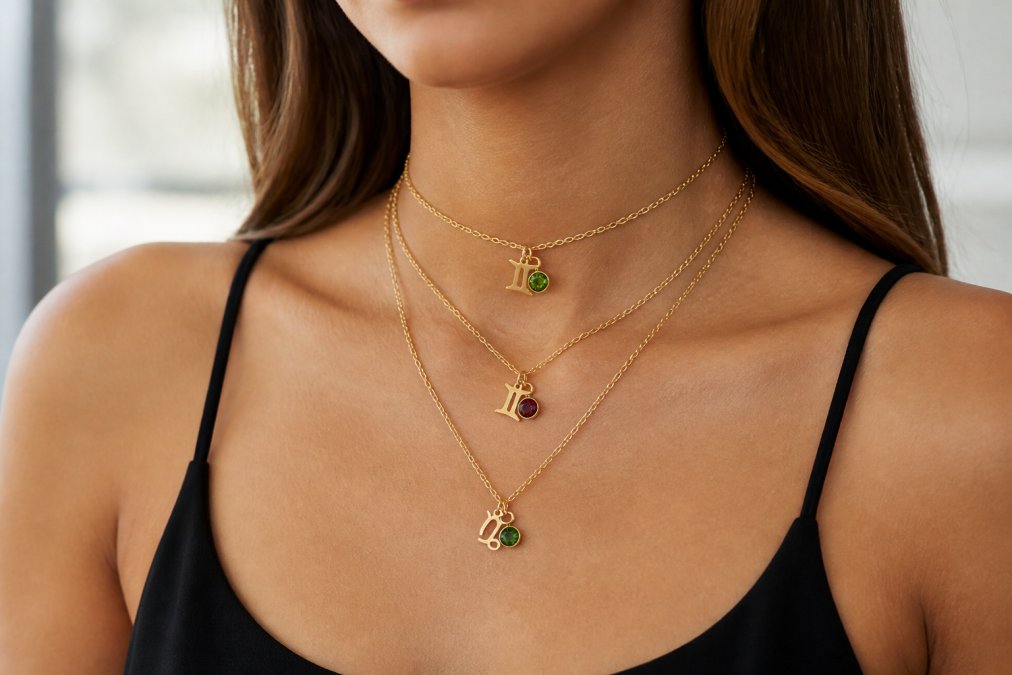
Choker and collar lengths (30-35 cm)
A choker sits snugly at the base of your neck, just above the collarbone, creating an elegant frame for your face. When layering, a choker serves as your foundation piece. The Gemini Lulu Zodiac Constellation Choker Necklace (£26.00) exemplifies this style, sitting perfectly without overwhelming your frame. Always position your choker as your shortest piece to establish clear visual separation from longer necklaces beneath it.

Princess and matinée lengths (40-55 cm)
Princess length (45-50 cm) is the most versatile necklace length for layering, resting at your collarbone and working with almost every neckline. Matinée length (55 cm) sits slightly lower at mid-chest, adding another dimension to your layered look. A choker paired with a princess-length necklace creates an instantly polished appearance. When choosing pieces in these lengths, consider mixing textures, pair a delicate chain with a slightly chunkier one to create visual interest.
Opera and rope lengths (65+ cm)
Opera length (65-75 cm) and rope length (75+ cm) necklaces drape further down your torso, creating dramatic visual impact. These longer pieces work best as your final layer, sitting longest and drawing the eye downward. Ensure adequate spacing between this piece and your mid-length layers to prevent tangling.
Mixing Textures and Chain Styles for Elegance
The difference between a cluttered look and an elegant one often comes down to texture variation. Mixing chain styles, combining delicate and chunky chains, and strategically placing pendants creates visual rhythm and prevents monotony.
Pairing delicate and chunky chains
A delicate chain is thin with small links creating a refined aesthetic. A chunky chain features larger, more prominent links and makes a bolder statement. When layering, alternate between delicate and chunky as you move down your layers. If your choker is delicate, make your princess-length piece slightly chunkier. This alternation prevents visual monotony and ensures each piece remains distinct.
Consider your proportions when selecting chain weights. Delicate chains suit smaller frames and narrow faces, whilst chunky chains balance larger frames and broader shoulders.
Incorporating pendants and charms strategically
Pendants add personality to your layered look, but restraint is key, not every layer needs a pendant. Use pendants on no more than two of your three layers. The Gemini Lulu Zodiac Birthstone Gold Pendant Necklace (£20.00) and the 18K Gold-Plated Daisy Titanium Steel Pendant Necklace (£22.00) are ideal for this approach. When layering with multiple pendants, vary the size for visual balance.

How to Prevent Necklaces from Tangling
Tangling is the primary reason many women avoid layering. With proper spacing techniques and intentional storage, tangling becomes a non-issue.
Spacing necklaces with separators
A necklace separator is a small metal or beaded spacer that sits between your neck and the chain, creating distance and preventing layers from intertwining. Position separators at the back of your neck where chains are most likely to tangle. Another effective technique: stagger your clasp positions so some clasps sit slightly to the left and others to the right, distributing weight and preventing chains from bunching together.
Storage and maintenance hacks
Use individual jewellery pouches or small ziplock bags for each necklace to prevent chains from intertwining in your jewellery box. When ready to layer, remove pieces one at a time and fasten them in order from shortest to longest. Avoid tossing layered necklaces into a drawer at the end of the day; instead, carefully unfasten each piece and store them separately.
Matching Metal Tones and Undertones
One of the most common concerns when layering gold necklaces is whether different gold tones will clash. The answer depends on understanding warm and cool undertones in both your skin and your jewellery.
Yellow gold, rose gold, and white gold combinations
Yellow gold has warm, sunny undertones. Rose gold blends gold with copper, creating a warmer, slightly pinkish hue. White gold has cool, silvery undertones. The most harmonious approach: stick to one dominant gold tone and use the others sparingly as accents. If yellow gold is your primary tone, layer multiple yellow gold pieces and add one rose gold piece as an accent for visual interest.
Warm and cool undertones in your skin
Your skin undertone influences which gold tones look most flattering. Warm undertones (golden, peachy, or olive-based skin) naturally complement yellow and rose gold. Cool undertones (pink or red-based skin) harmonise better with white gold and rose gold. Neutral undertones work beautifully with any gold tone.
When layering, choose your primary tone based on your undertone, then select complementary pieces accordingly. Also consider the colours you wear most frequently, if your wardrobe features warm tones, yellow and rose gold will feel more natural.
Styling Freshwater Pearls with Gold Chains
Freshwater pearls paired with gold chains create an exceptionally elegant aesthetic. Pearls add understated luxury whilst remaining accessible and versatile.
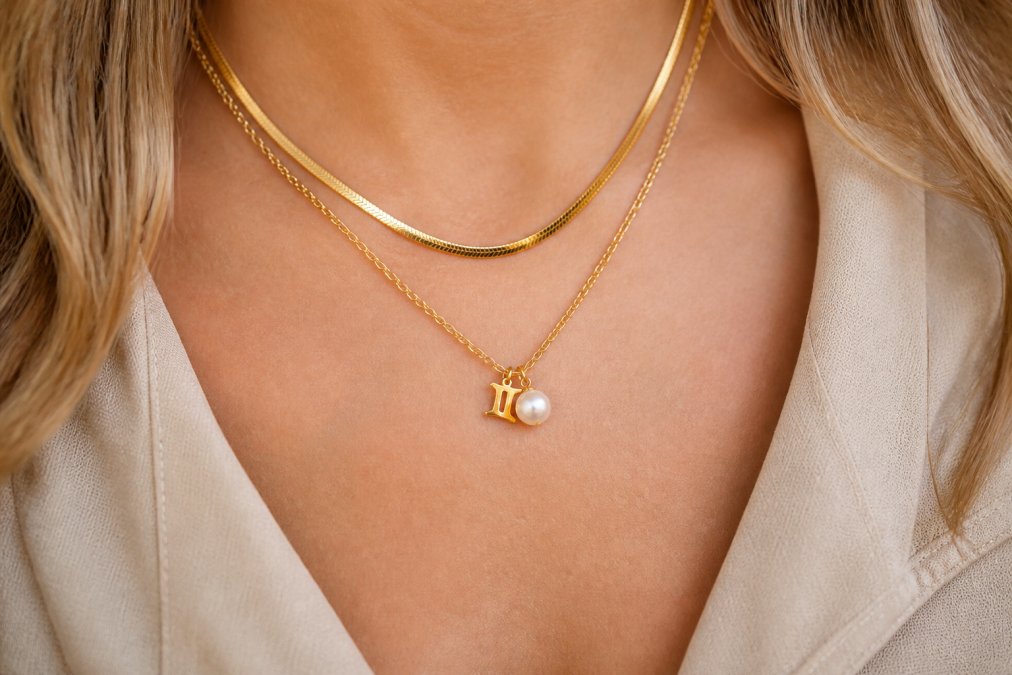
Balancing pearl pendants with delicate chains
A freshwater pearl pendant requires a delicate, refined chain to maintain proportion and elegance. Thick, chunky chains overwhelm the subtle beauty of pearls. Pair pearl pendants with thin, dainty chains that allow the pearl to be the focal point.
When layering, use the pearl piece as one of your middle layers rather than your shortest or longest. This positioning allows the pearl to remain visible and appreciated without competing with other pieces.
Layering pearls as a base layer
Positioning a pearl necklace as your base layer, the shortest piece closest to your neck, creates a sophisticated foundation for additional gold chains. A choker-length pearl necklace paired with longer gold chains creates a classic, timeless look. When layering with pearls as your base, keep your additional layers relatively simple, a pearl choker paired with a princess-length delicate chain and a longer chunky chain creates a complete, elegant look without appearing overdone.
Adapting Your Layers for Different Necklines
Different necklines require different layering approaches. A scoop neck accommodates longer, more dramatic layers, whilst a high neckline calls for shorter, more delicate pieces.
Scoop-neck and v-neck styling
A scoop neckline is wide and rounded, creating an open canvas for layered gold necklaces. You can comfortably wear three or even four layers without feeling crowded. For scoop necklines, embrace longer layers and don't shy away from statement pendants. A choker paired with a princess-length piece and a long opera-length necklace creates a dramatic, intentional look.
A v-neck neckline creates a vertical line that naturally draws the eye downward. Longer pieces follow the line of the neckline and create visual harmony. Avoid overly short pieces with v-necks; instead, start with a princess-length piece as your shortest layer.
High necklines and statement pieces
High necklines, turtlenecks, crew necks, and mock necks leave limited space for layered gold necklaces. Choose shorter pieces that sit above your clothing rather than competing with it. A delicate choker or princess-length necklace works beautifully with high necklines. Consider layering pieces that sit entirely above the neckline, creating visual interest without competing with your clothing.
Common Mistakes to Avoid When Layering
Understanding what not to do is as important as knowing what to do.
Over-layering and visual clutter
The most frequent mistake is wearing too many necklaces at once. Three well-chosen pieces create a sophisticated look; five or six pieces typically feel cluttered. When deciding how many necklaces to wear, consider your overall look. If you're wearing a patterned top or bold colours, limit yourself to two simple layers. If you're wearing a plain, neutral top, three layers work beautifully.
Visual clutter also results from mixing too many textures and styles. Stick to a maximum of two distinct chain styles and limit pendants to one or two pieces.
Ignoring body type and proportions
Layering works differently depending on your body type and proportions. For petite frames, focus on delicate chains and shorter to mid-length pieces. A choker paired with a princess-length necklace creates impact without overwhelming your smaller frame. For larger frames, longer pieces and chunkier chains create better proportion. Don't shy away from statement pendants, which have the presence to work well with larger frames.
Layering gold necklaces is a skill that transforms your jewellery collection into endless possibilities. The elegance you create depends not on expensive pieces, but on understanding proportion, texture, and intentional styling. Gemini Lulu's thoughtfully designed pieces, from the Zodiac Birthstone Gold Pendant Necklace to the 18K Gold-Plated Daisy Titanium Steel Pendant Necklace, provide the foundation for beautiful layering without requiring a luxury budget. Start with two complementary pieces in different lengths, add one pendant or charm strategically, and build from there. Each time you layer, you'll develop an intuitive sense for what works, transforming your everyday jewellery into sophisticated, intentional styling that celebrates your unique style.

Frequently Asked Questions
How many gold necklaces should you layer at once?
Three is the ideal number for an elegant, balanced look. This follows the rule of three, which creates visual harmony without overwhelming the neckline. Start with a choker or short chain, add a princess-length piece, and finish with a longer matinée or opera chain. If you're new to layering, begin with two necklaces and add a third once you feel confident. More than three can appear cluttered, especially if you're layering thicker chains or pieces with large pendants.
How do you stop gold necklaces from tangling when layered?
Use necklace separators or spacers to keep chains from catching on each other. These small metal clips sit between each layer and prevent tangling. When storing layered pieces, keep them on a jewellery stand or hang them separately on hooks. Avoid folding layered necklaces together in a drawer. For travel, wrap each chain individually in soft cloth or store them in separate compartments of a jewellery box. Applying a light coat of clear nail varnish to clasps can also reduce friction that causes tangling.
Can you layer gold necklaces with pearls?
Yes, freshwater pearls pair beautifully with gold chains when styled thoughtfully. Use a pearl pendant on a delicate gold chain as your base layer, then add a slightly longer chunky gold chain above it. This creates visual interest and balances the softness of pearls with the boldness of gold. Avoid mixing too many textures, if your pearl piece is ornate, keep the gold chains simple. The Gemini Lulu Zodiac Birthstone Gold Pendant Necklace works wonderfully as a delicate base layer beneath longer statement chains.
Should you mix different gold tones when layering necklaces?
Mixing gold tones is possible but requires careful consideration. Yellow gold, rose gold, and white gold each have different undertones. If your skin has warm undertones, yellow and rose gold work best together. For cool undertones, white gold and rose gold complement each other. Mixing all three can appear unintentional unless you're deliberately creating a modern, eclectic look. Most elegant layering sticks to one or two complementary tones. If you prefer mixed metallics, ensure the chains have similar link sizes and styles so the combination feels intentional rather than accidental.
This article was written using GrandRanker